

Iran is prepared for renewed fighting with the United States but remains open to diplomacy, Foreign Minister Abbas Araghchi said Sunday after U.S. President Donald Trump publicly rejected Tehran’s proposal to reopen the Strait of Hormuz.
Speaking to NBC News’ “Meet the Press,” Araghchi said Iran had not yet received an official response through mediators despite Trump’s announcement that he had turned down the proposal.
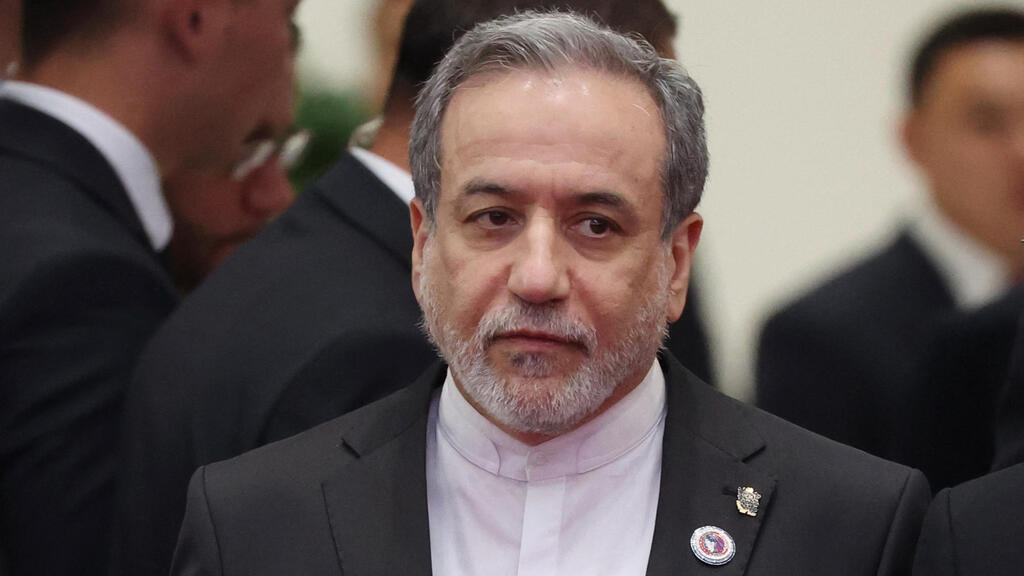
“We are fully prepared for the war to be resumed. We stand firm in the face of any new aggression, even if it comes to a doomsday war,” Araghchi said when asked about a Wall Street Journal report that Trump could seek to resume bombing after the U.S. midterm elections. “At the same time, we stand ready for diplomacy. It is up to President Trump to choose.”
Iran presented the proposal this week through mediator Qatar on the sidelines of the United Nations General Assembly in New York. Under the plan, Tehran offered to reopen the Strait of Hormuz and restore normal maritime traffic through the critical global oil route within seven days, alongside a return to negotiations with Washington. Recent reporting has also described the proposal as tied to conditions similar to those contained in the U.S.-Iran memorandum of understanding reached in June. CNN Transcripts
Trump said Saturday that he had rejected the proposal. “I rejected their deal. They want to make a deal where they open the strait immediately because they’re losing so badly.”
Araghchi, however, told moderator Kristen Welker that Trump’s rejection had not yet been formally communicated to Tehran through the countries mediating between the two sides.
The Iranian foreign minister said Tehran remained prepared to reopen the strait as part of a broader agreement ending the conflict. In return, he said, “we want our monies, our assets, which are illegally frozen, to be released. We want to be able to sell our oil.”
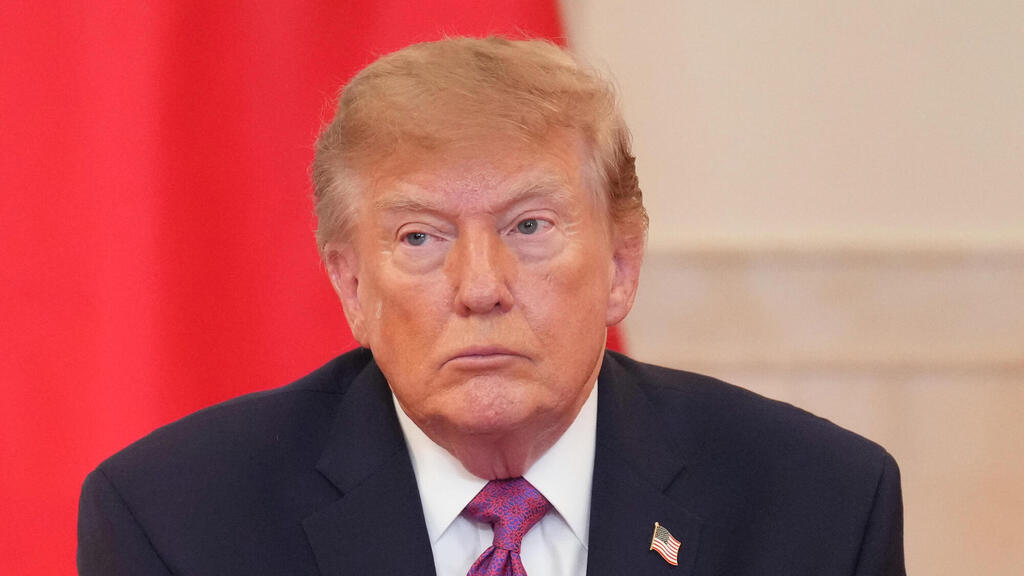
Iran tells Trump war or diplomacy remain possible after US rejects Hormuz proposal
(Photo: AP/ Jacquelyn Martin)
Araghchi described those conditions as “not new,” saying Washington had previously committed to them under the memorandum of understanding signed by the two countries in June. The arrangement collapsed within days after the sides exchanged fresh strikes.
“If you ask us, there is no reason why we should go back to diplomacy,” Araghchi said. “But I am still trying diplomacy because I think we shouldn’t miss any chance for peace.”
He also dismissed suggestions that Tehran’s calculations were being shaped by the approaching U.S. midterm elections.
“We don’t care about U.S. midterm elections,” he said. “We care about our national interests.”
Before Araghchi’s appearance, U.S. Ambassador to the United Nations Mike Waltz also spoke to “Meet the Press,” saying Washington rejected Tehran’s proposal for “a number of reasons.” Waltz is serving as the U.S. ambassador to the UN.
“I think this was a pretty cynical attempt to put something on the table that they knew was unacceptable, to ask for the release of the blockade, the sanctions, international sanctions, and access to billions in assets,” Waltz said.
Waltz also questioned “who’s calling the shots in Iran right now,” and accused Tehran of violating the previous memorandum of understanding by attacking international shipping.
“I think it’s kind of common sense that the president doesn’t have a lot of confidence this time after we just tried a few months ago,” Waltz said. “What I can tell you is the president will leave all options on the table to ensure the world is safe from Iran holding the world hostage with a nuclear weapon.”
Asked what kind of agreement Trump would be prepared to accept, Waltz declined to lay out terms.
“I’m not going to negotiate for the president.”
“This is about keeping the next generation safe from Iran threatening the world with a nuclear weapon,” he added.
Trump earlier this week said he was still weighing whether to “annihilate” Iran or reach an agreement, while publicly linking the timing of a possible deal to the November midterm elections.
“I believe we’ll make a deal right after the election because it doesn’t make sense for them not to,” Trump said. “They’re waiting to see how I do in the midterm election.”
The confrontation with Iran has become an increasingly prominent issue in U.S. politics ahead of the November vote. Trump used his address to the UN General Assembly last week to defend his approach toward Iran and again said his administration would not allow Tehran to obtain a nuclear weapon.