

Saudi Arabia’s top religious authority has issued an unusually forceful appeal to soldiers stationed on the kingdom’s borders, telling them to remain ready to sacrifice their lives in the fight against Yemen’s Iran-backed Houthis and praying for the group’s “complete defeat.” The message comes amid mounting questions over whether Riyadh could be preparing for a broader military campaign in Yemen after weeks of escalating missile, drone and air attacks.
Grand Mufti Sheikh Saleh bin Fawzan Al-Fawzan said protecting Saudi territory and punishing those who attempt to seize even part of it were among the highest religious duties, “for which lives and souls are sacrificed.” His statement, addressed directly to troops on the front lines, drew heavily on Quranic verses and sayings of the Prophet Muhammad about sacrifice and fighting in defense of God.
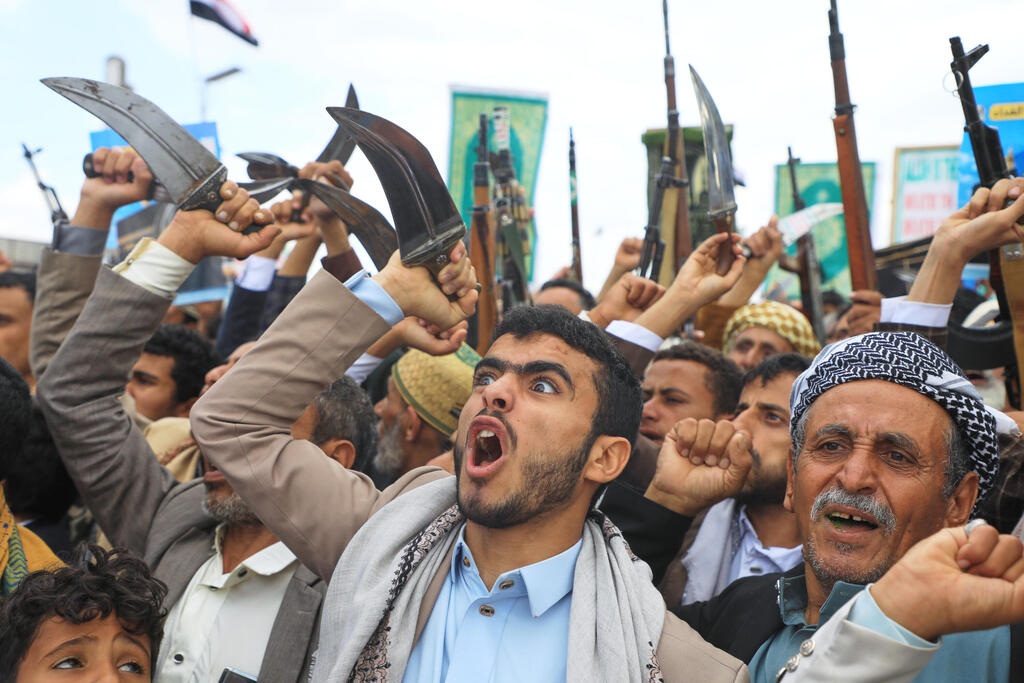
“We ask God Almighty to grant you all his support, and to protect our countries and beloved Yemen from all harm,” he said. “We also ask him to bring about the complete defeat of the Houthi group and those who assist and support them.” He urged soldiers to remain constantly prepared, obey Saudi rulers and field commanders and “carry out orders with the utmost precision.”
The rare intervention comes as fighting between Saudi Arabia and the Houthis intensifies sharply. The Saudi-led coalition said Thursday that it intercepted six Houthi ballistic missiles aimed toward Taif and the strategically important Red Sea port of Yanbu. The Houthis later claimed missile and drone attacks against what they described as a sensitive target in Riyadh and Saudi Aramco facilities in Yanbu. The extent of any damage from the Houthi-claimed strikes has not been independently established.
Saudi Civil Defense has repeatedly issued emergency warnings across parts of the kingdom during the latest escalation, including Jazan, Jeddah, Yanbu, Taif, Mecca and Tabuk. The Houthis have also claimed attacks on Saudi military positions in Jazan, while Saudi Arabia has continued airstrikes against Houthi-controlled areas of Yemen.
Religion enters an escalating conflict
The grand mufti’s message also appears to reinforce an increasingly religious dimension in Saudi Arabia’s public presentation of the conflict. Saudi state television has aired footage of what authorities said was a Houthi attack on a mosque in the kingdom’s south, while Riyadh has accused the Houthis of attempting to strike Mecca, Islam’s holiest city. The Houthis have rejected Saudi accusations surrounding attacks on holy sites.
Saudi Arabia has fought the Houthis since a Saudi-led coalition intervened in Yemen in 2015, months after the group seized the capital, Sanaa. A 2022 truce largely reduced cross-border fighting, but hostilities have surged again, with the Houthis expanding their position around the Red Sea and Saudi Arabia resuming airstrikes. Recent fighting has increased concern over the Bab al-Mandeb Strait and Saudi energy infrastructure, including Yanbu, which is particularly important when oil exports through the Strait of Hormuz are disrupted.
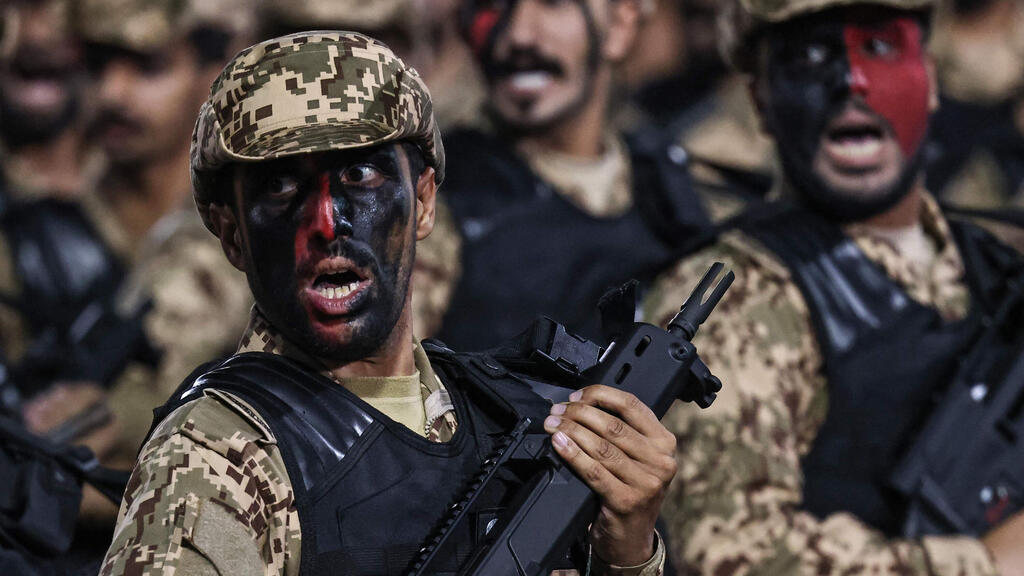
Saudi troops
(Photo: Zain JAAFAR / AFP)
France has now pledged military assistance to protect Yanbu. President Emmanuel Macron said Paris would send soldiers, radar equipment and defense systems to help safeguard the strategic oil-export site, stressing that the deployment was defensive and was not intended to draw France into the fighting.
Riyadh is also pressing its newer defense partners for support. Saudi Arabia, Turkey and Pakistan announced an urgent meeting of their military chiefs to discuss assistance to the kingdom under the Mecca Joint Defence Agreement, which provides that an attack on one member is considered an attack on all three. The countries signed the pact in August and have since begun building the mechanisms needed to implement it, although no specific military deployment has yet been announced.
The combination of repeated Houthi attacks, the grand mufti’s appeal to frontline troops and Riyadh’s increasingly urgent search for outside military support has added to speculation over the kingdom’s next move. For now, Saudi Arabia continues to strike Houthi positions from the air while reinforcing defenses at home, as both sides signal that a confrontation once held largely in check could be entering a more dangerous phase.