

Azerbaijan's government on Tuesday defended its decision to enforce strict school uniform regulations that have sparked protests over restrictions on Islamic headscarves, and demanded that its close ally Turkey refrain from interfering in its internal affairs after Ankara criticized the measures.
Azerbaijan, a former Soviet republic with a predominantly Shiite Muslim population, is officially secular. Its constitution separates religion from the state and guarantees freedom of religion. After decades under Soviet rule, the country has established itself as one of the most secular states in the Muslim world.
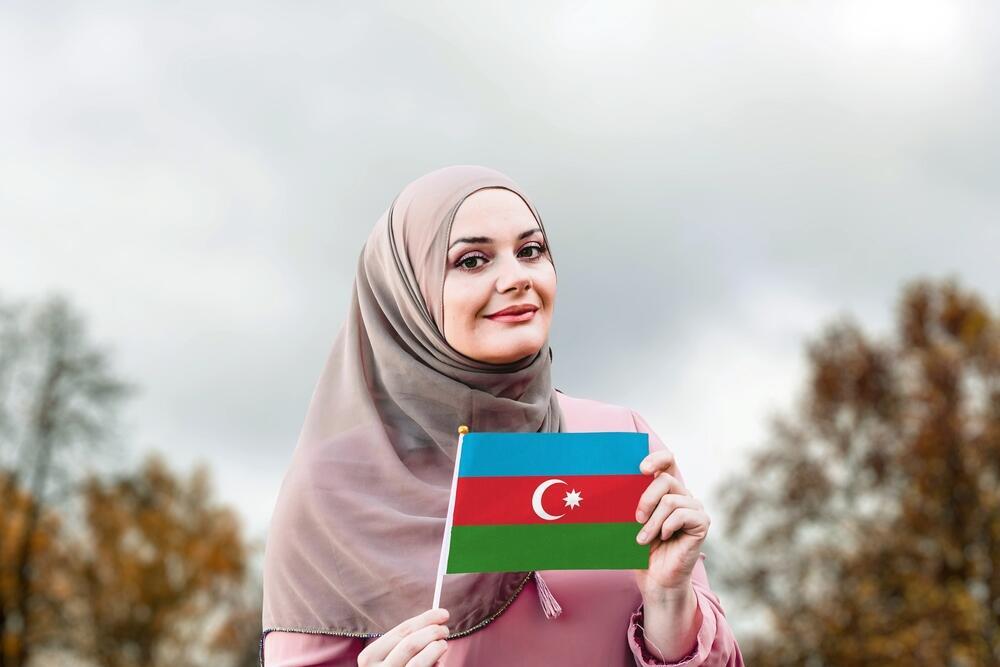
Last month, the government introduced new regulations prohibiting students from attending school in clothing that deviates from the official uniform or was deemed inconsistent with the secular character of public education.
Although the regulations did not explicitly mention the hijab, reports soon emerged that female students and teachers wearing Islamic headscarves were being denied entry to schools.
The restrictions triggered protests in recent days. On Monday, Azerbaijan's Interior Ministry said 37 people had been arrested for disturbing public order while opposing enforcement of the new rules.
The ministry said protesters in the capital, Baku, had confronted school staff over the dress requirements, damaged school property and attempted to disrupt classes.
Videos circulated on Azerbaijani social media showed students embracing their teachers and crying after learning that the teachers were no longer allowed to enter school because of their headscarves. Female students who had been denied admission, or who were protesting restrictions imposed on others, were also filmed crying and holding protest signs. Students at at least two schools boycotted classes in protest against the restrictions.
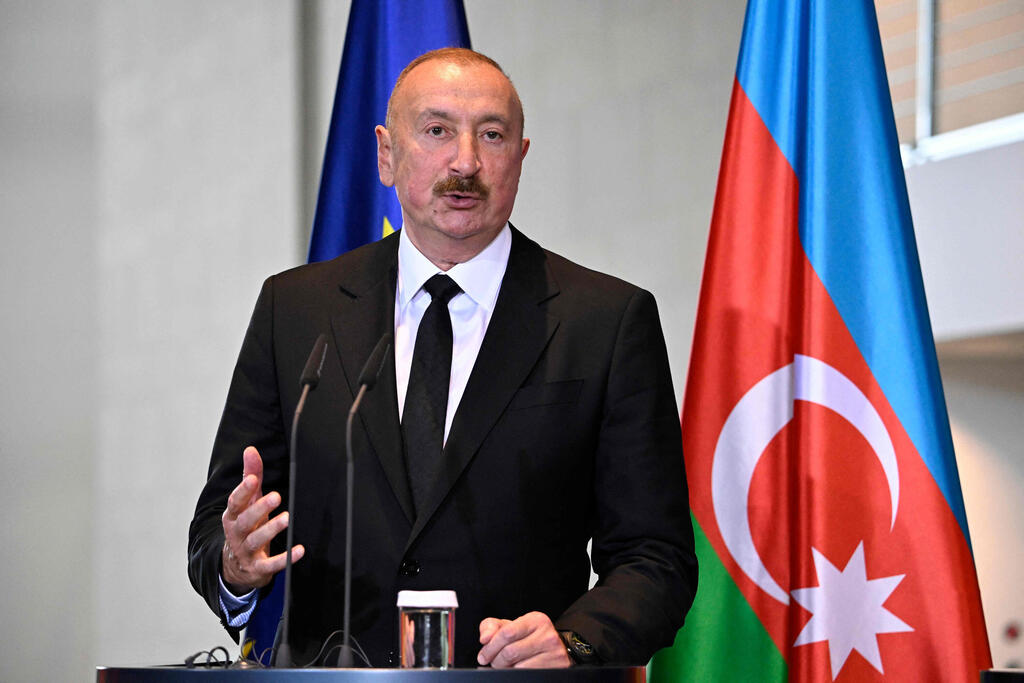
Azerbaijani President Ilham Aliyev
(Photo: Tobias SCHWARZ / AFP)
Amid the growing controversy, Azerbaijani social media users reported difficulties accessing online platforms on Monday. Instagram and TikTok users, where videos supporting the right to wear the hijab had been circulating, complained that videos would no longer load and news feeds had stopped updating. Some said they were able to regain access only by using virtual private networks, or VPNs.
The hijab controversy has also triggered a diplomatic confrontation between Azerbaijan and its traditional ally Turkey.
Azerbaijan's ruling New Azerbaijan Party (YAP) on Tuesday criticized Oktay Saral, an adviser to Turkish President Recep Tayyip Erdogan, along with lawmakers from Erdogan's ruling Justice and Development Party (AKP), over their opposition to the new regulations.
Saral wrote on X on Monday that denying Azerbaijani girls wearing headscarves their right to education was "unacceptable."
"A headscarf is not an obstacle; it is a religious obligation," he wrote. "We expect Azerbaijan to reverse this mistake as soon as possible."
In response, YAP condemned Saral's remarks as "populist and irresponsible," warning that they could endanger relations between the two close allies.
The party said the new regulations were based on the principles of equality, secularism and the rule of law. It also pointed out that Turkey itself is constitutionally secular, warning Ankara against using Azerbaijan's education policies for political purposes.

Students hug a teacher who, according to reports, will not be allowed to enter the school because of her head covering
The Azerbaijani ruling party emphasized that the principle of "one nation, two states," commonly used to describe the close relationship between Azerbaijan and Turkey, did not justify interference in another country's domestic affairs or the imposition of political and ideological views.
The dispute now threatens to cast a shadow over relations between the two countries, illustrating the challenges facing Baku as it seeks to enforce secularism in a predominantly Muslim society.
Last week, protesters gathered outside Azerbaijan's consulate in Istanbul to demonstrate against the restrictions.
On Turkish social media, some compared the developments in Azerbaijan to those in Turkey following the 1997 military intervention, when women were barred from wearing headscarves at universities and in public-sector workplaces.
Those restrictions were introduced a little more than five years before Erdogan came to power and subsequently made Islam far more prominent in Turkish public life.

Baku, the capital of Azerbaijan
(Photo: shutterstock)
Azerbaijan, like neighboring Iran, has a predominantly Shiite Muslim population. Unlike the government in Tehran, however, Baku maintains warm and extensive relations with Israel.
Those ties are rooted primarily in deep security cooperation, with Israel serving as a major weapons supplier to Azerbaijan's military. The two countries also share significant economic interests, particularly Israel's imports of Azerbaijani oil.
Their relationship is further strengthened by positive cultural and historical connections, including Azerbaijan's ancient Jewish community and the relatively low prevalence of antisemitism in the country.
Azerbaijan's close relationship with Israel frequently draws sharp criticism from parts of the Muslim world, particularly neighboring Iran, but occasionally also Turkey.
In its statement Tuesday, Azerbaijan's ruling party also addressed renewed criticism from Ankara over Baku's relationship with Israel. YAP defended the bilateral ties, stressing that Azerbaijan's relations with Israel are based on international law and mutual interests.