

The United States carried out an airstrike on Iran's Qeshm Island near the Strait of Hormuz on Monday, according to American media reports, in what officials described as a defensive response after Iranian forces fired at a U.S. aircraft. The strike came as President Donald Trump signaled that a diplomatic agreement with Tehran remained possible, despite growing speculation about a renewed American military offensive following the U.S. midterm elections.
Fox News reported that the strike followed Iranian fire directed at an American aircraft. A U.S. official described the operation as defensive and said it did not signal the beginning of a broader attack on Iran or a new phase of escalation.
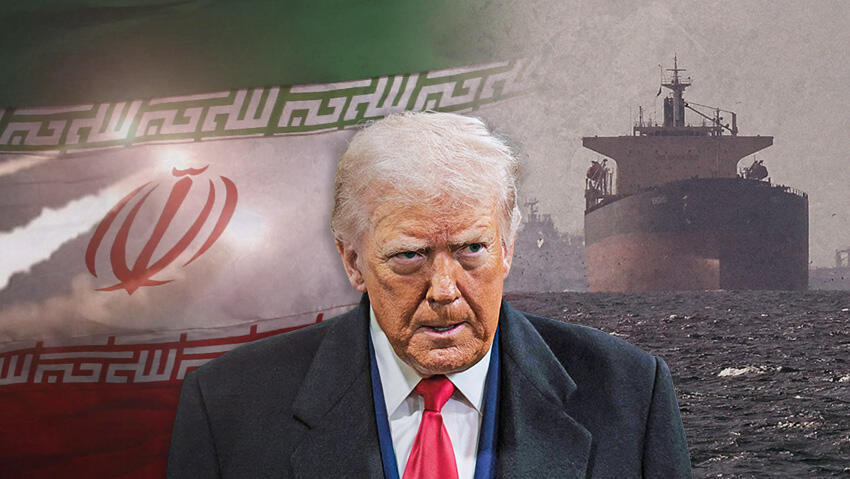
The Wall Street Journal, citing U.S. officials, reported that American forces had quietly conducted a series of limited strikes against Iranian targets over several weeks. Some officials characterized the operations as defensive measures intended to prevent Iran from threatening commercial shipping in the Strait of Hormuz, one of the world's most important oil shipping routes.
According to the report, Washington deliberately avoided publicly announcing the strikes to prevent them from being interpreted as the start of a renewed large-scale military campaign. The Pentagon referred questions about the reported operations to U.S. Central Command, which did not immediately comment.
Iranian media reported several explosions on Qeshm Island, with residents describing aircraft flying overhead. Iran's Islamic Revolutionary Guard Corps also claimed to have intercepted two MQM-170 drones south of the island using electronic warfare and destroyed an MQ-9 drone east of the Strait of Hormuz. The claims could not be independently verified.
In an interview with Fox News' "Hannity" on Monday, Trump did not directly address the reported Qeshm Island strike but warned that the United States could launch further attacks on Iranian nuclear facilities, including the underground site known as Pickaxe Mountain. Referring to the possibility of striking the facility, Trump said the operation would not be particularly difficult and added: "We can do that in one hour."
Trump defended the military campaign against Iran, arguing that Tehran's nuclear ambitions and its history of attacks on American personnel had made U.S. action necessary. He pointed to Operation Midnight Hammer, the American strikes against Iranian nuclear facilities in 2025, and said Washington had already inflicted severe damage on Iran's nuclear capabilities. He also invoked Qassem Soleimani, the Iranian general killed in a U.S. strike in 2020.
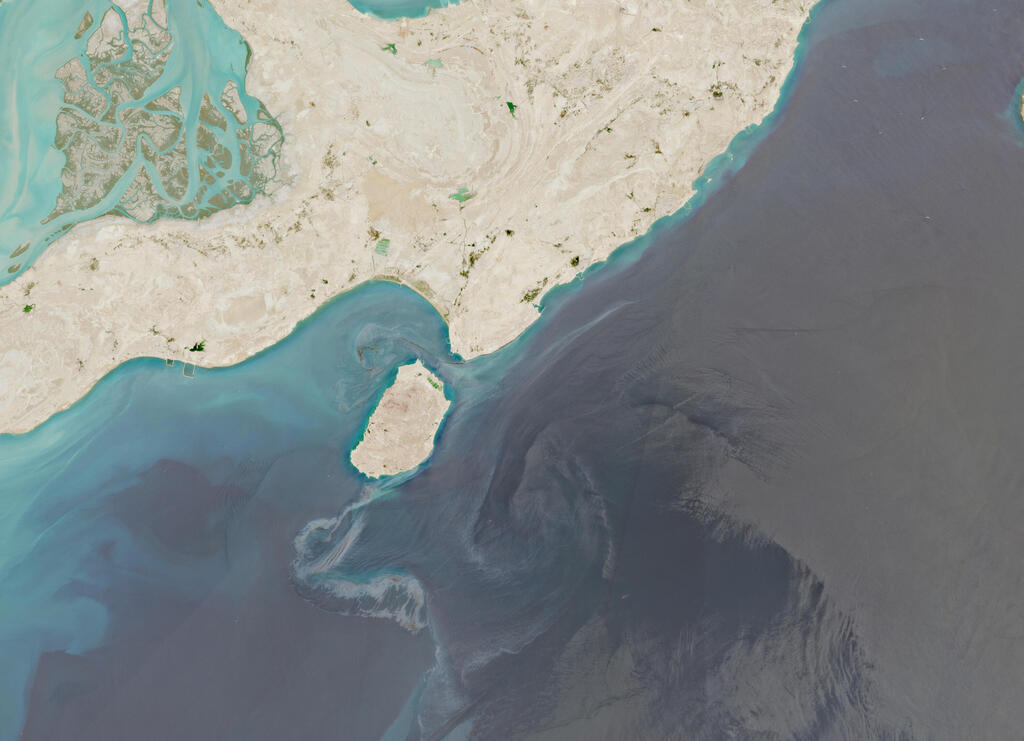
Satellite image of Iran's Qeshm Island, August 2026
(Photo: European Union/Copernicus Sentinel-2/Handout via REUTERS)
Despite threatening further attacks, Trump downplayed the current conflict, describing it as a "very soft war." He argued that Iran was negotiating from a position of weakness and suggested that talks could continue even as Washington maintained the option of additional military action.
The comments followed Trump's remarks to reporters Monday, when he played down the prospect of resuming a full-scale military campaign immediately after the midterm elections. Asked whether he was considering further strikes once voting concluded, Trump replied "no," while suggesting that an agreement with Tehran could still be reached.
Qatar has meanwhile been working to mediate between Washington and Tehran, seeking a framework to end the conflict. The diplomatic effort has focused on confidence-building measures and arrangements intended to reduce attacks on commercial shipping and prevent a broader military confrontation.
Vice President JD Vance has expressed optimism about the possibility of a negotiated settlement, although significant disagreements remain over the terms of an agreement. Iranian officials have indicated that progress would depend on Washington's willingness to meet Tehran's demands.
At the same time, Prime Minister Benjamin Netanyahu has reportedly been urging Trump to pursue a broader military campaign against Iran after the U.S. elections. Regional allies, however, have warned that renewed large-scale attacks could provoke retaliation against American forces, Gulf states and critical energy infrastructure.