


The IDF has located the remains of Sgt. First Class Yehuda Katz, the last soldier missing from the 1982 Battle of Sultan Yacoub, bringing closure to one of the most painful unresolved cases from the First Lebanon War.
Katz’s remains were located recently, and IDF representatives informed his family of the findings.
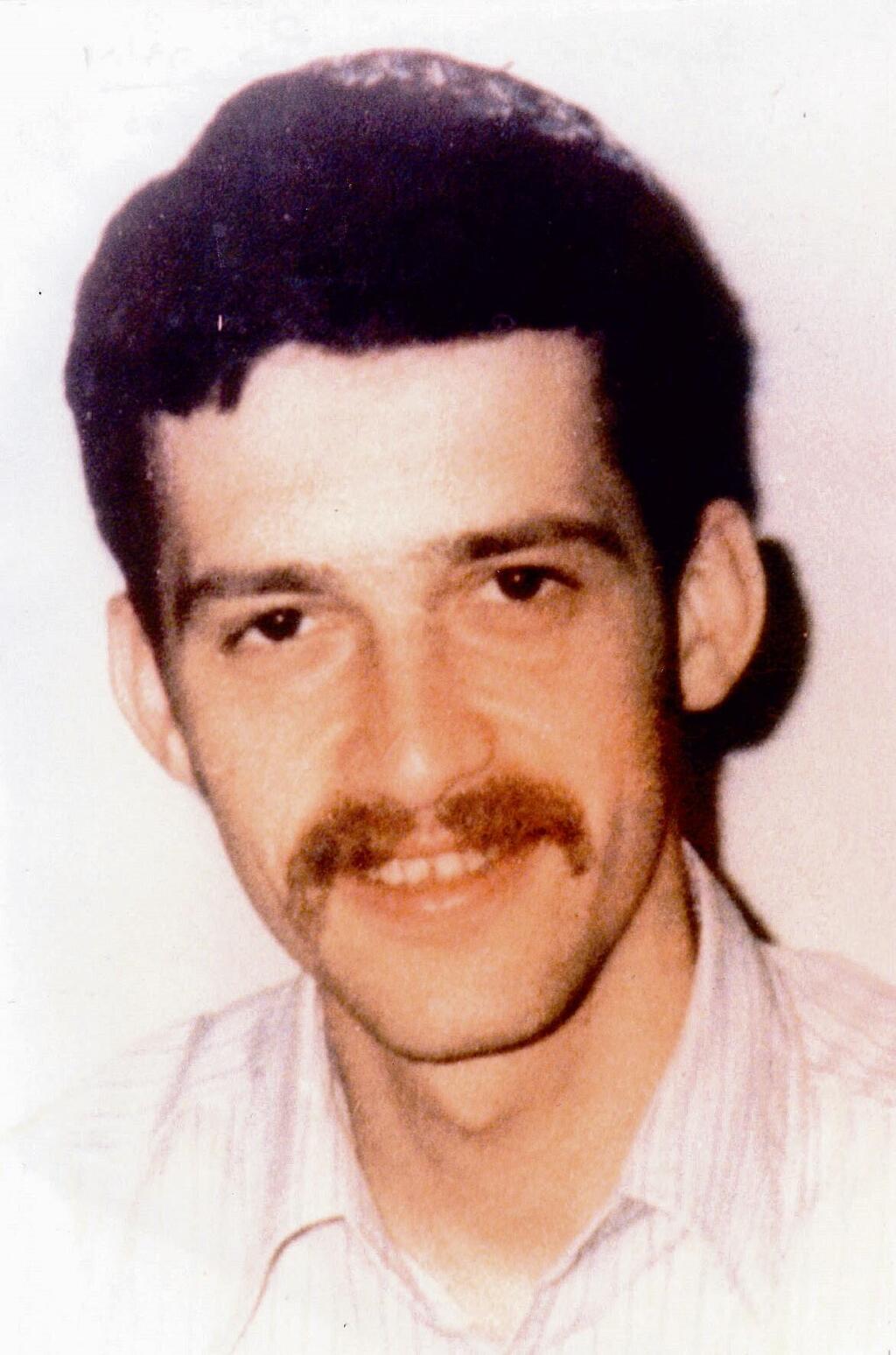
Sgt. First Class Yehuda Katz
(Photo: Courtesy of the family)
Katz was one of six IDF soldiers left behind on the battlefield after the June 11, 1982, clash with Syrian forces. Three of the six remained missing for decades. The remains of Sgt. First Class Zachary Baumel were returned to Israel in 2019, while those of Sgt. First Class Zvi Feldman were recovered in May 2025 in a special operation in Syria. Katz was the last soldier from the battle whose fate remained unresolved.
The Battle of Sultan Yacoub took place 44 years ago, on the sixth day of Operation Peace for Galilee, Israel’s name for the First Lebanon War. Israeli and Syrian forces fought for about eight hours in a battle that left 20 Israeli soldiers dead, dozens wounded and six missing.
The battle and the decisions surrounding it became the subject of decades of military, academic and public debate, in part because of the heavy losses, uncertainty over the missing soldiers and criticism directed at commanders involved, some of whom later entered politics.
Israeli force caught under Syrian fire
On the fifth day of the war, ahead of an expected ceasefire with the Syrian army, Israeli forces were ordered to seize a strategic junction, known by the code name Tublano Triangle, near the village of Sultan Yacoub.
The sector was under the command of Northern Command corps commander Avigdor “Yanush” Ben-Gal. His deputy was Ehud Barak, who later became IDF chief of staff and prime minister, while Amram Mitzna, later a major general and Labor Party leader, served as the corps chief of staff.
The mission was assigned to a divisional force comprising three armored brigades and an infantry brigade.
During the night of June 10-11, the force began advancing toward its objective without knowing that Syrian army units were positioned near Sultan Yacoub. The task of breaking through to the objective was assigned to a reserve tank battalion.
During the night, the battalion reached the Tublano Triangle and began moving toward Sultan Yacoub.
Soon afterward, Syrian forces in the area opened heavy fire on the Israeli troops, who were at a topographical disadvantage.
According to several accounts, confusion and poor coordination among Israeli forces complicated the battle. The breakdown included friendly fire in which two Israeli tanks were hit.
The fighting continued for about eight hours before the battalion eventually withdrew under cover of heavy Israeli artillery fire.
Eight Israeli tanks were left behind and fell into Syrian hands, while six soldiers were declared missing.
Six missing soldiers, decades of uncertainty
The fate of three of the six became known in the years after the battle.
Zohar Lifshitz was killed during the fighting and buried in Syria. His body was returned to Israel after the war.
Arik Lieberman was captured by Syrian forces and released two years later.
Hezi Shai was captured by the organization led by Ahmed Jibril and was released three years later in the 1985 prisoner exchange commonly known in Israel as the Jibril deal.
Baumel, Feldman and Katz remained missing for decades.
After the Oslo Accords were signed in the 1990s, Palestinian leader Yasser Arafat handed Israel half of Baumel’s military identification tag.
Baumel’s remains were eventually returned to Israel in 2019 following an operation involving Syria and Russia. Feldman’s remains were recovered from Syria in 2025 in a special Israeli operation.
The recovery of Katz’s remains now resolves the fate of the final missing soldier from Sultan Yacoub, more than four decades after the battle.
Research conducted years after the fighting found that the IDF had possessed an aerial photograph showing the location of Syrian forces in the area. That intelligence, however, did not reach the Israeli troops fighting on the ground.