


Iran continued its missile and drone attacks on Gulf states Monday as the United States warned that it would keep acting to protect shipping through the Strait of Hormuz, even as Washington left the door open to a diplomatic solution.
U.S. Secretary of State Marco Rubio accused elements within Iran of seeking to control the strategic waterway and use it to pressure the international community.
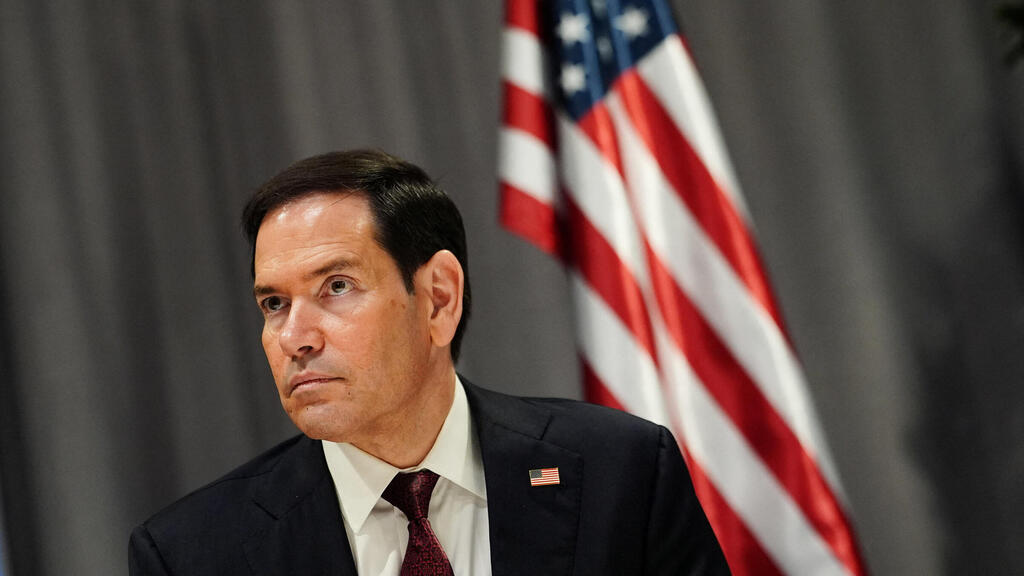
“It’s clear that Iran, at least some people in Iran, want to control the straits and hold that as leverage against the world,” Rubio told reporters.
“The United States will do and continue to do what it needs to, to protect global shipping, but other countries need to begin to step up and provide, whether it’s hardware or finances, to help carry that burden,” he said.
Asked whether a diplomatic path remained available amid the escalating fighting, Rubio said Washington was still prepared to negotiate, but only if Tehran was willing to honor an agreement.
“I think we’re always open to diplomacy,” he said. “It has to be real. It has to be a deal that they’re willing to live by.”
Rubio said Iran had been expected a week earlier to issue a statement declaring the Strait of Hormuz open and promising to stop attacking commercial shipping. Instead, he said, Iranian forces attacked three vessels.
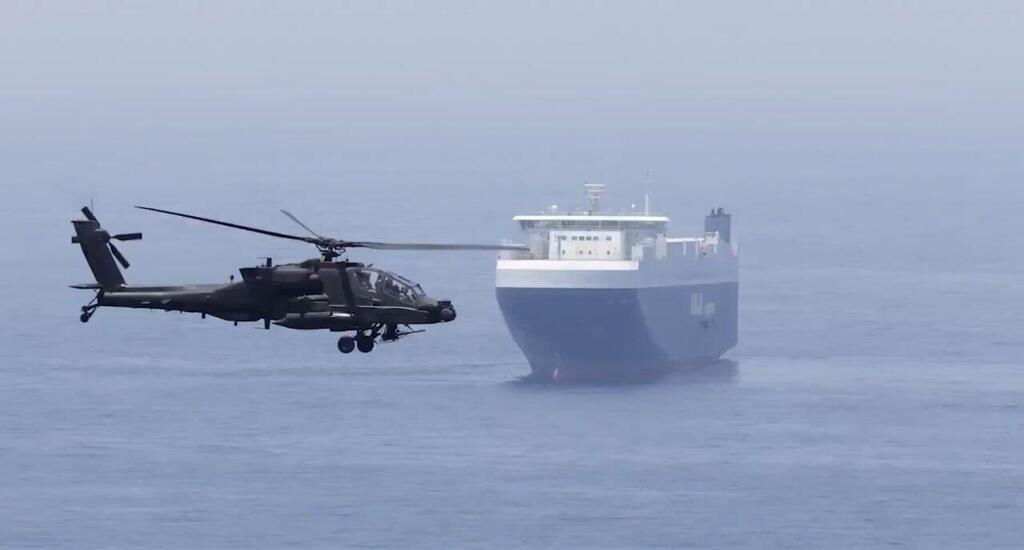
(Photo: U.S. Central Command)
“They can’t have an MOU that’s alive if they’re violating the terms of it,” he said, referring to the memorandum of understanding that had been intended to contain the confrontation.
“What I will say is that the United States always remains open to a diplomatic solution. We’ve tried multiple times with Iran, and we’ll continue to try.”
Despite those diplomatic signals, the fighting across the Gulf showed no sign of slowing Monday.
Sirens sounded again in Kuwait and Bahrain as Iran launched further attacks against the two small Gulf states, which have faced a heavy barrage of missiles and drones over the past week.
The attacks continued despite a proposal presented to both Iran and the United States for a 10-day halt in fighting.
The Wall Street Journal reported that Iran had received additional ceasefire proposals in recent days, but Iran’s Revolutionary Guard Corps had not responded.
Iranian Foreign Minister Abbas Araghchi has spoken publicly about diplomacy, but no breakthrough has been announced, and the conflict has continued to unfold primarily through military action.
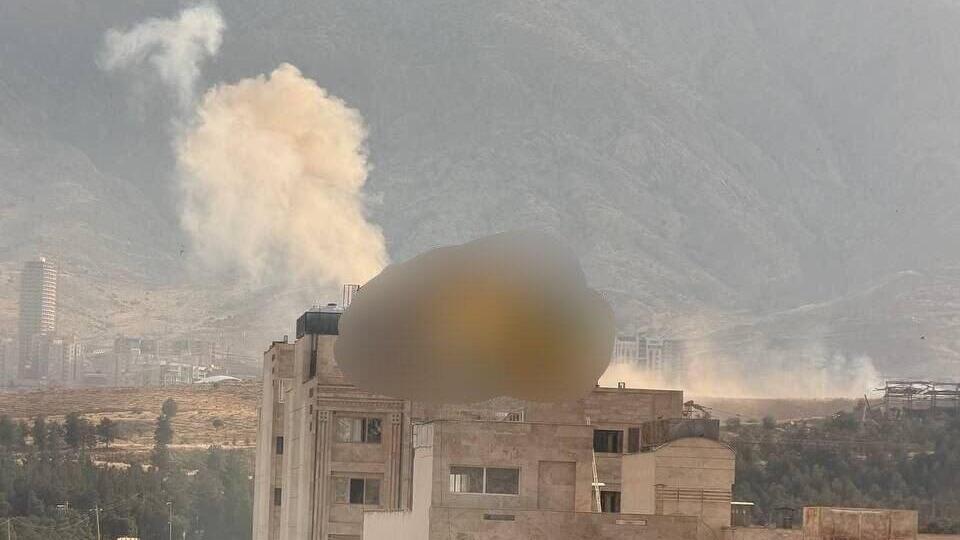
Smoke rises over Shiraz; the US did not claim responsibility
Iranian media reported explosions in the southern city of Shiraz on Monday afternoon and claimed the city had been attacked.
The United States did not confirm carrying out a strike there. Shiraz had not previously been reported as a target since the latest round of hostilities began.
Images circulated from the city showing smoke rising over the area, but the target, extent of the damage and party responsible were not immediately clear.
The reported explosions came as Washington appeared to be examining options for sustaining or expanding its regional air campaign.
The Wall Street Journal reported that the United States had asked Bulgaria for permission to station or land as many as eight aerial refueling aircraft on its territory to support military operations in the Middle East.
Refueling aircraft would allow U.S. warplanes to remain airborne longer and operate over greater distances, potentially expanding the range and frequency of strikes.
President Donald Trump has not yet announced how he intends to proceed and was not expected to make a public appearance Monday.
Trump convened a meeting in the White House Situation Room last week to discuss options for widening the campaign, according to reports.
Options raised during those discussions reportedly included seizing Kharg Island, a strategically important hub for Iranian oil exports, or striking additional nuclear facilities.
Trump, however, has also continued to leave open the possibility of a diplomatic resolution.
The competing military and diplomatic signals reflect the central dilemma facing Washington: how to force Iran to stop threatening Gulf states and commercial shipping without allowing the confrontation to develop into a broader and more prolonged regional war.
The Strait of Hormuz remains at the center of that dispute.
The narrow waterway connects the Persian Gulf with the Gulf of Oman and the Arabian Sea and is one of the world’s most important shipping routes, particularly for oil and natural gas exports.
Iran has repeatedly sought to use its position along the strait as strategic leverage, while the United States has insisted that the international shipping route must remain open.
Rubio said Washington would continue taking the steps it considers necessary to defend maritime traffic, but argued that countries dependent on the route must contribute more to that effort.
His comments suggested the administration is seeking broader international participation, including military equipment or financial support, rather than allowing the United States to carry the burden alone.
The continuing attacks on Bahrain and Kuwait further complicate those efforts.
Both countries host strategically important Western military facilities and have become direct targets in the latest phase of the conflict.
Iran’s attacks have placed civilian populations under repeated alerts while increasing pressure on Gulf governments to strengthen their air defenses and coordinate more closely with Washington.
At the same time, Tehran has not formally rejected the latest mediation proposals.
That has preserved a narrow diplomatic opening, even as the IRGC continues its attacks and has apparently declined to respond to ceasefire initiatives.
The gap between Araghchi’s diplomatic statements and the Revolutionary Guard’s military conduct has also raised questions about who is controlling Iran’s response and whether different centers of power in Tehran are pursuing conflicting strategies.
For now, the United States appears to be preparing for both possibilities.
The request involving refueling aircraft in Bulgaria points toward preparations for sustained military action, while Rubio’s remarks underline that negotiations have not been ruled out.
But Washington has made clear that diplomacy would require a tangible change in Iranian behavior, particularly an end to attacks on ships and attempts to control passage through the Strait of Hormuz.
With missiles and drones continuing to target Bahrain and Kuwait, no such change was evident Monday.