

Matt Errico was sitting on the toilet when he heard noises inside his Colorado home. When he got up to investigate, he found two young bears, each roughly the size of a golden retriever, standing in his hallway.
After a brief staring match, they bolted through the front door.
Bear breaks into a home in Colorado Springs
(Video: Nerissa England/Storyful/Reuters)


The encounter at his home in Granby, about 57 miles northwest of Denver, was unusual even for someone accustomed to bears getting into his garbage. But across the western United States this year, scenes like it have become increasingly common.
Thousands of hungry bears are wandering into towns and cities in record numbers, entering homes, climbing trees in residential neighborhoods and searching through shops and garbage for food as drought reduces their natural food supply.
Bears have been spotted near a school in Santa Fe, New Mexico, climbed a tree near a farmers market in Denver and startled residents in communities across the region. In Los Angeles, bears have even been filmed cooling off in backyard swimming pools.
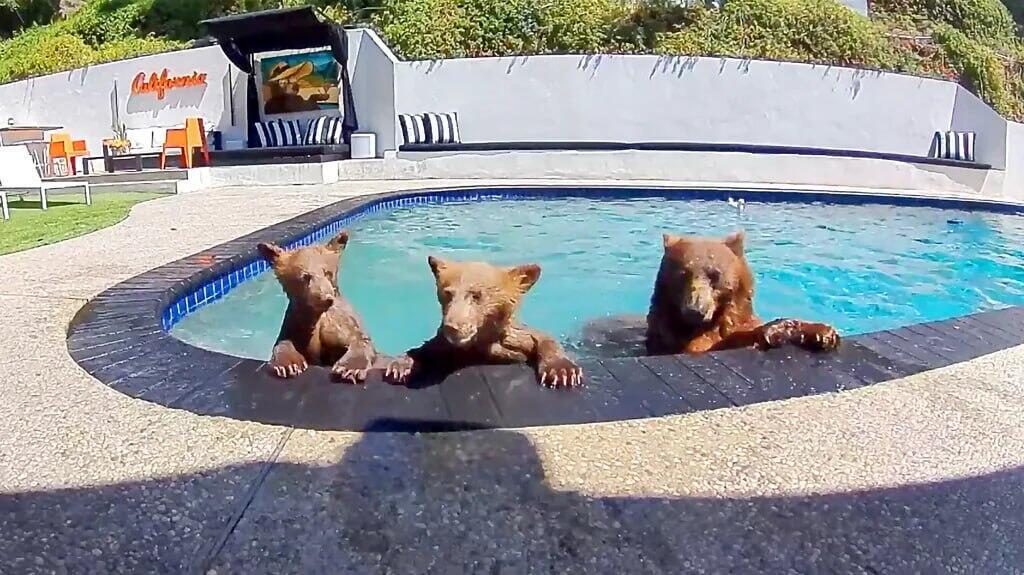
Wildlife experts say the driest winter on record has badly reduced plants, grasses, berries and nuts, which together make up about 90% of a bear’s diet.
With less food available in the wild, bears are increasingly using their powerful sense of smell to seek out garbage, pet food and other calorie-rich sources in populated areas.
That brings them into closer contact with people and often puts the animals themselves in danger.
Record numbers have been killed this year after being hit by vehicles, deliberately shot, electrocuted or euthanized by wildlife officials after becoming a threat.
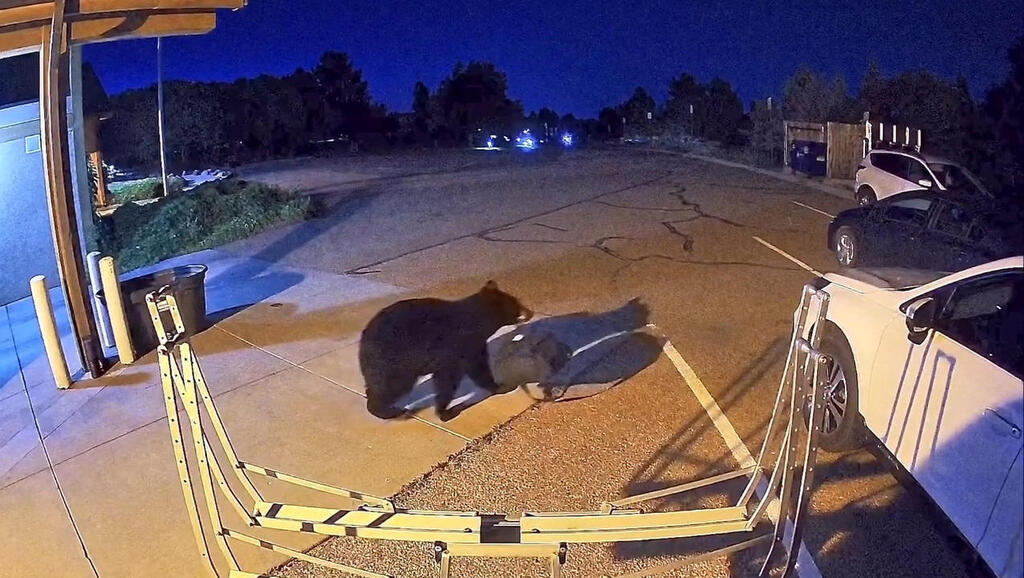
A bear that wandered into a fire station in Colorado Springs
(Photo: Colorado Springs Fire Department/Handout/Reuters)
Experts also fear that as the West becomes hotter and drier, bears could become increasingly accustomed to human food and may even stop hibernating if winters become warm enough and natural food remains scarce.
“This is really putting bears, and people, in a situation we have never faced before,” bear expert Jon Beckmann said.
Human expansion is adding to the problem.
Residential development has spread into areas where bears traditionally searched for food, while bear populations have recovered in states such as Nevada, where they were nearly wiped out more than a century ago.
Black bears are now considered the most stable of the world’s eight bear species.
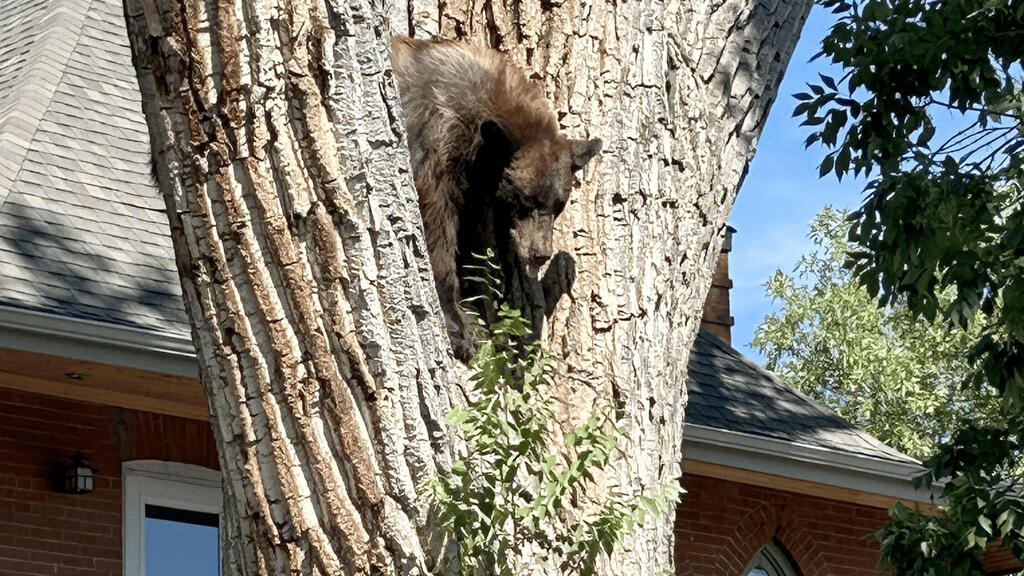
A bear standing in a tree in a residential area of Denver, Colorado
(Photo: Colorado Parks and Wildlife - Northeast Region/Handout/Reuters)
Colorado alone is home to an estimated 17,000 to 20,000 black bears, according to state wildlife officials. At the same time, the state’s human population has more than doubled over the past 50 years, placing more homes and communities inside bear habitat around cities such as Colorado Springs and mountain towns including Vail.
The result has been a sharp rise in encounters.
Colorado, which is home only to black bears, has recorded more than 7,000 bear sightings in 2026, surpassing the previous annual record set in 2019.
At least six bear attacks have also been reported in the state this year.
Jonathan Livingston, a spokesman for Colorado Parks and Wildlife, said about 1.5% to 2% of reported sightings ultimately result in the bear being killed.
That usually happens when an animal is considered a danger, including after attacking someone or repeatedly breaking into homes.
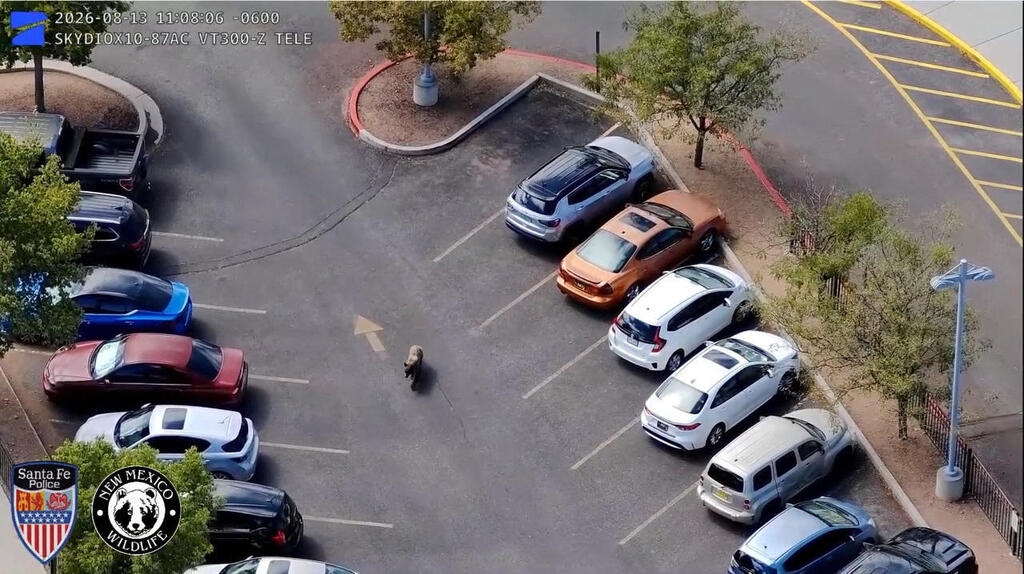
A bear wanders through a parking lot in Santa Fe, the capital of New Mexico
(Photo: The Santa Fe Police Department and the New Mexico Department of Wildlife/Handout/Reuters)
Conservation groups such as the Colorado Bear Coalition argue that bears too often pay with their lives for human negligence, including unsecured garbage and food left outside.
Livingston said early reporting can make a major difference.
When residents alert wildlife officials before a bear becomes accustomed to entering neighborhoods, authorities can often scare it away or relocate it without killing it.
The situation is also worsening elsewhere.
In New Mexico, wildlife officials and landowners have killed 187 bears this year, the highest number since 2011.
Another 35 adult bears and 16 cubs have been relocated to more remote areas.
The state also recently recorded its first fatal bear attack in 25 years.
Utah authorities have killed 39 bears this year, already setting a new annual record.
In Montana, grizzly bears have increasingly appeared in areas where they had not been seen for decades.
Twenty-four grizzlies have died in the state this year, most after attacking livestock or people or after being struck by vehicles.
In May, a man was killed by a grizzly in Glacier National Park.
Despite the recent incidents, fatal bear attacks remain rare across the western United States, with only a handful recorded in most years.
Wildlife agencies are urging residents to reduce the chances of encounters by securing garbage, avoiding leaving trash outside for long periods and never feeding wild animals.
Many confrontations begin with something as simple as a bear rummaging through garbage.
They can end, Livingston warned, with a black bear weighing between 200 and 400 pounds, armed with razor-sharp claws several inches long, confronting a person inside their own kitchen.
And officials fear the worst may still be ahead.
Bears are only now entering the period when they consume large amounts of food to build up fat reserves before winter.
“We can’t even imagine what September and October are going to look like,” said Heather Reich, a former bear manager for the Nevada Department of Wildlife who now sells electrified mats designed to keep bears away from homes.
“It is going to be just Armageddon for us.”
As bears begin trying to put on weight for winter, Reich said, encounters with people are likely to increase further.