

Israeli maritime technology firm Orca AI on Thursday unveiled Co-Captain, a new feature billed as the world’s first “Waze of the Seas,” enabling real-time data sharing between vessels to improve safety, hazard anticipation and navigational confidence.
The launch comes amid a rise in global maritime safety incidents, which increased 42% between 2018 and 2024, reaching 3,310 reported cases last year. Co-Captain links over 1,000 ships already outfitted with Orca AI’s autonomous navigation platform, transforming each vessel into both a sensor and source of awareness. Hundreds more vessels are expected to join the network, the company said.
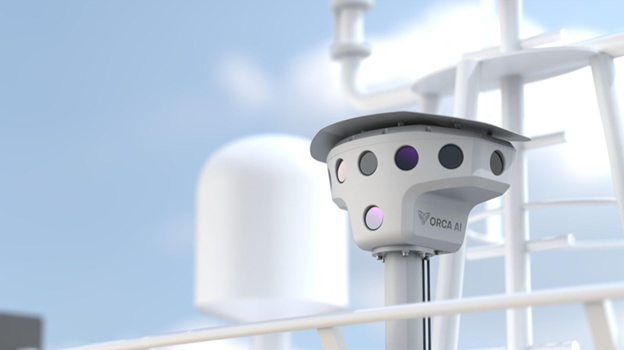
Co-Captain
(Photo: Orca AI)
By distributing verified, real-time alerts across its expanding fleet, Co-Captain allows vessels to respond more effectively to navigational hazards, adverse weather and security threats. The alerts are enriched with external data, including weather updates, vessel traffic, and local regulatory feeds.
“Given that 90% of international trade is transported across oceans, collaborative navigation at sea is no longer optional—it’s a safety, environmental and security imperative,” said Orca AI CEO and co-founder Yarden Gross. “What we’re building is a living, evolving ecosystem. Each vessel becomes a key link in a safety chain that keeps crews connected and ahead of risk."
Each ship equipped with Orca AI’s system serves as a node in a global network capable of detecting high-risk targets, including non-AIS vessels such as small craft and fishing boats, as well as navigation hazards like fishing nets or floating debris. The system also monitors environmental conditions, GNSS signal interference and dense traffic areas. Alerts are anonymized and tailored to a vessel’s route and operating environment.
Notifications include congestion warnings based on nearby close encounters, weather alerts with visibility and Beaufort Scale data, and satellite interference notices such as GNSS jamming or spoofing. The system also provides advance warnings before entering piracy zones, whale protection areas and emission-controlled regions. Environmental hazards like buoy shifts, unmarked obstacles and pollution can also be shared between vessels.
With over 100 million nautical miles of navigational data collected, Orca AI says its platform supports next-generation situational awareness through continuous refinement of detection models and predictive capabilities.
Orca AI, which in 2022 helped complete the world’s first commercial autonomous voyage in partnership with Japan’s DFFAS consortium and The Nippon Foundation, uses artificial intelligence and computer vision to enhance fleet safety and performance. The platform enables real-time, data-driven decision-making for crews in high-risk environments, while offering fleet managers detailed operational insights.